
Iron Fibre Networks delivers trenching, conduit installation, duct systems, pathway preparation, and restoration coordination for telecom, municipal, utility, development, construction, and enterprise projects across Ontario.
From route review and utility coordination through excavation, conduit placement, backfill, and handoff, we manage the civil scope with the planning, field discipline, and accountability reliable network infrastructure requires.
The performance of an underground fibre network begins long before cable is installed. Route selection, utility conflicts, excavation methods, conduit placement, depth, protection, backfill, access points, and restoration all affect the long-term reliability of the finished system. Iron Fibre Networks approaches trenching and conduit as critical infrastructure, not an isolated excavation task. Our civil and fibre teams coordinate the pathway requirements from the beginning, helping project teams reduce downstream conflicts, protect network assets, and prepare the route for efficient cable deployment.
Every project presents different soil conditions, utility conflicts, access limitations, municipal requirements, restoration needs, and network objectives. Our scope is developed around the approved design, site conditions, project responsibilities, and required construction method. Services may include the following.
We review available drawings, proposed routes, utility information, site access, surface conditions, pathway requirements, permits, locates, and future capacity needs before mobilization.
This process helps identify constraints, clarify responsibilities, and establish a practical construction plan for the field.
Before excavation begins, we coordinate applicable utility locates, access requirements, work-area controls, and project-specific documentation where included within our scope.
Our team also works with clients, consultants, contractors, property representatives, and approving authorities to keep site responsibilities clear throughout construction.
Our crews complete open-cut trenching, excavation, and pathway preparation based on the approved drawings, site conditions, and project requirements. The selected construction method is determined by route conditions, existing utilities, access limitations, surface disruption, and the specifications established for the project.
Trenchless installation methods can be used to navigate road crossings, landscaped areas, public corridors, or other locations where open excavation may not be practical. The proposed method is reviewed against ground conditions, utility information, route length, access, and authority requirements before work begins.
We install conduit, duct systems, pull boxes, handholes, access points, and related pathway components required to protect underground network assets and support cable placement.
Conduit size, quantity, arrangement, separation, and capacity are completed according to the approved project design.
Bedding, backfill, and compaction are completed using the materials and methods established for the project. Careful placement and compaction help protect the installed pathway, reduce settlement risk, and prepare the area for surface restoration.
Restoration can be included as part of the agreed construction scope. Depending on the site, this may include asphalt, concrete, sidewalks, curbs, landscaping, granular surfaces, or other areas affected by the work. Restoration standards and responsibilities are confirmed during project planning.
Before handoff, we review the completed pathway against the agreed scope and document relevant installation details. Closeout requirements may include route records, conduit identification, access-point information, field photographs, deficiency tracking, restoration records, and other supporting documentation required by the project.
Built on more than a decade of construction leadership through IronShake Inc., Iron Fibre Networks understands the field conditions that influence civil infrastructure performance. Permits, locates, access restrictions, existing utilities, weather, traffic, public safety, contractor coordination, restoration, and schedule pressure must all be managed alongside the technical network requirements. Our Local 183 affiliation reinforces the professional workforce standards, field discipline, and accountability behind our civil construction work. By connecting civil execution with the fibre deployment plan, we help clients create underground pathways that are practical to build, ready for cable installation, and prepared for long-term network use
Plan the route. Build the pathway. Prepare for handoff.
We begin by reviewing the project objectives, available drawings, proposed route, existing utility information, access conditions, conduit requirements, restoration needs, permitting responsibilities, and target schedule. This stage helps identify potential conflicts, confirm responsibilities, and establish the construction approach before crews mobilize.
Our crews complete the agreed excavation, trenching, pathway preparation, conduit installation, access-point construction, bedding, backfill, and restoration scope. Field activity is coordinated with project stakeholders to keep the work progressing safely, orderly, and in alignment with the approved plan.
We review the completed pathway, address identified deficiencies, coordinate remaining restoration requirements, and prepare the agreed closeout records. The result is a documented underground pathway ready for cable placement, further construction, or final project handoff.
Trenching and conduit requirements vary based on route conditions, existing utilities, soil, access, construction methods, municipal requirements, restoration standards, and the approved network design. These are the questions project teams most often ask before engaging Iron Fibre Networks.
Yes. Iron Fibre Networks supports civil infrastructure projects for municipalities, utilities, telecom providers, ISPs, developers, general contractors, civil contractors, and enterprise project teams.
Each opportunity is reviewed based on the procurement structure, project specifications, location, schedule, access conditions, and required civil scope.
Where included in the project scope, we can coordinate permits, utility locates, site access, inspections, traffic-control requirements, safety documentation, and other pre-construction requirements.
Responsibilities are confirmed during planning so the client, consultants, authorities, and contractors understand what must be completed before mobilization.
The construction method depends on the site and project requirements.
Open-cut trenching may be used where direct excavation is practical. Directional drilling or other trenchless methods may be considered for crossings, constrained corridors, landscaped areas, or locations where reducing surface disturbance is a priority.
The final method is selected based on approved drawings, utility information, soil conditions, access, route length, and authority requirements.
Conduit depth, alignment, separation, bedding, protection, and access-point placement are completed according to the approved drawings and project specifications.
Verification methods and required records are confirmed during project planning and may include field measurements, photographs, inspections, or other documentation requested by the client or approving authority.
Yes, where the approved design and site conditions allow.
Additional conduits, spare pathways, access points, or duct capacity can be incorporated to support future cable pulls and network expansion. The appropriate capacity depends on projected needs, available space, design requirements, and project budget.
Surface restoration can be included within the agreed scope.
Depending on the project, this may involve asphalt, concrete, sidewalks, curbs, landscaping, or granular surfaces. The restoration standard, limits of work, materials, and responsibilities are confirmed before construction begins.
Yes. Conduit and access infrastructure can be installed as an advance civil scope, creating a pathway that can be used when the fibre deployment is ready to proceed.
The pathway should be properly identified, protected, verified, and documented so future crews can understand its location, condition, capacity, and intended use.
Yes, subject to available records, completed utility locates, site conditions, access, and the construction method required.
Existing utility information is reviewed before excavation, and field activity is adjusted where necessary to protect known infrastructure and follow applicable project procedures.
Yes. Iron Fibre Networks can provide trenching, excavation, conduit installation, access-point construction, pathway preparation, restoration, or related civil work as a defined standalone scope.
These services can also be integrated into a complete fibre deployment that includes cable placement, fusion splicing, OTDR testing, and project closeout.
Iron Fibre Networks supports projects across the GTA, Ottawa, and broader Ontario markets.
Project availability is evaluated based on location, route length, construction method, schedule, access conditions, restoration requirements, and the resources needed to complete the work.
Each project is supported by project leadership, field supervision, and defined quality-control procedures.
Our team coordinates the work against approved drawings, project specifications, applicable requirements, and the agreed inspection and documentation standards. Responsibilities and acceptance criteria are confirmed before field execution begins.
Our civil and technical capabilities can support a complete network deployment or a defined phase of an existing project.
Coordinated outdoor fibre installation from pathway review and cable placement through splicing, testing, documentation, and handoff.
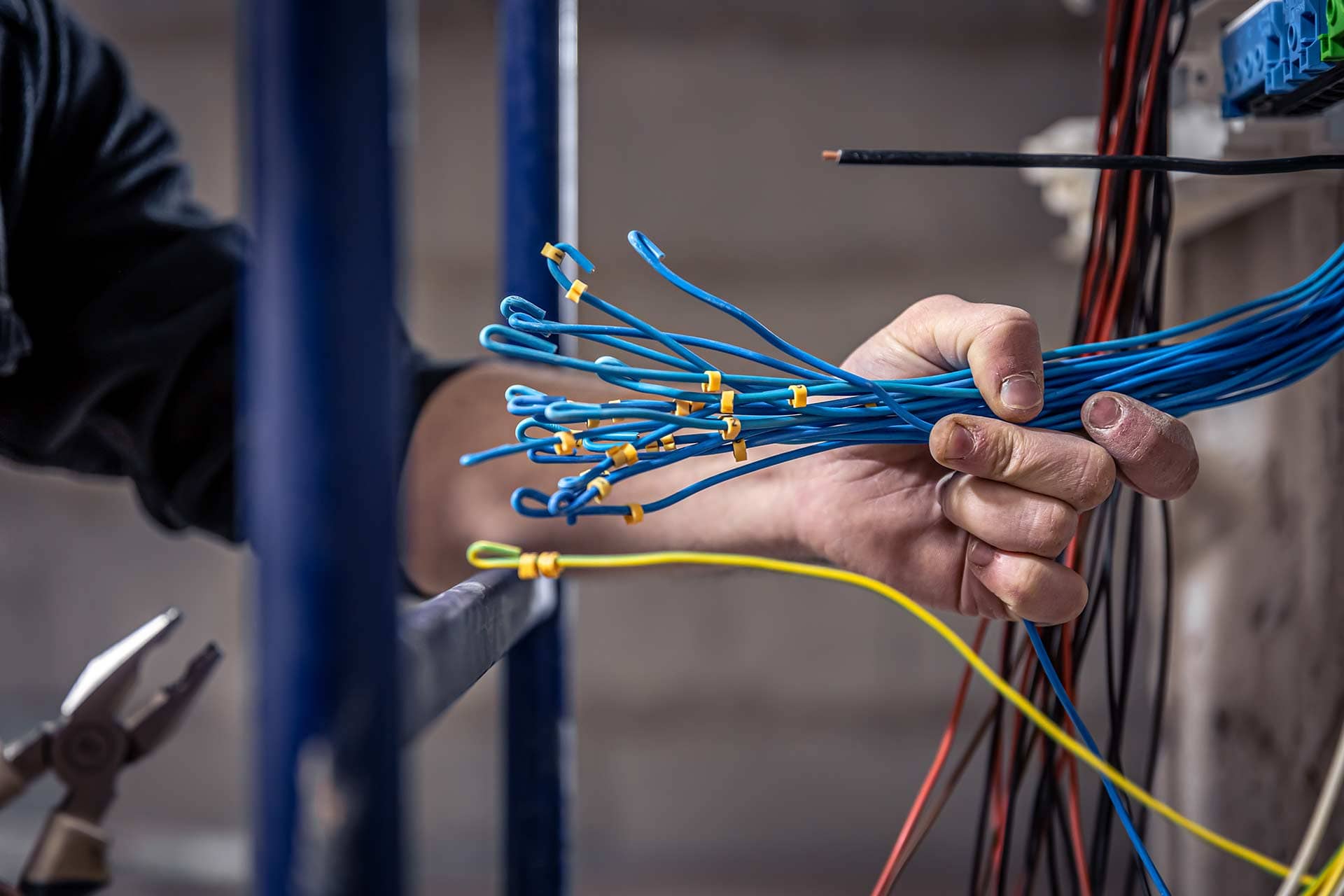
Precision fusion splicing, fault identification, OTDR testing, trace review, deficiency support, and documented project handoff.

Scalable civil and fibre infrastructure for municipal, utility, smart city, campus, enterprise, and connected-building environments.

Share your project location, proposed route, current design stage, target schedule, conduit requirements, and known site conditions with Iron Fibre Networks. Our team will review the civil scope, identify immediate planning and coordination requirements, and help establish a practical path from route preparation through construction and handoff. When underground infrastructure must be durable, scalable, and responsibly delivered, Iron Fibre Networks brings the construction capability, field discipline, and project accountability needed to move the work forward.