
Iron Fibre Networks provides fusion splicing, OTDR testing, trace analysis, fault identification, and documented closeout for new and existing fibre networks across Ontario. Whether delivered as part of a turnkey deployment or as a standalone technical scope, our team helps telecom, municipal, utility, construction, development, and enterprise partners verify fibre performance and prepare networks for activation and handoff.
Reliable fibre performance depends on more than making a physical connection. Fibre preparation, splice quality, enclosure organization, testing methods, deficiency resolution, and documentation must all work together. Iron Fibre Networks coordinates these responsibilities through one structured process. Our technicians complete the splicing, review the test results, identify performance issues, and document the completed work so project teams have a clearer understanding of network condition before handoff.
lron Fibre Networks combines technical fibre capability with the project discipline established through more than a decade of construction leadership at IronShake Inc. We understand that technical work must remain coordinated with site access, construction schedules, safety procedures, other contractors, activation requirements, and final documentation. That broader field perspective helps us deliver splicing and testing as part of the complete project environment, not as an isolated technical task.
Every network has different fibre counts, topology, acceptance criteria, equipment, documentation standards, and operational requirements. Our scope is tailored to the project and may include the following services.
Our technicians complete fibre preparation, cleaving, fusion splicing, splice protection, tray organization, and connection review using calibrated equipment and established technical procedures. Splicing can be completed for new installations, network extensions, repairs, remediation work, or defined standalone scopes.
We support the preparation, organization, labelling, and protection of fibre within splice enclosures, cabinets, panels, trays, and termination points. Clear fibre management helps simplify testing, maintenance, troubleshooting, and future network changes.
OTDR testing is used to evaluate the condition of a fibre link and identify events that may affect performance.
Our team reviews traces for signal loss, breaks, reflections, splice events, connector issues, and other irregularities based on the testing requirements defined for the project.
When testing identifies a potential issue, our technicians review the available data, inspect accessible network components, and help determine the appropriate corrective action. Depending on the project scope, support may include resplicing, fibre reorganization, connector review, cable-path inspection, or further testing.
Testing records can include OTDR traces, fibre identification, link details, deficiency notes, corrective actions, and final results. Documentation requirements are confirmed during planning so the delivered records align with the client’s handoff, acceptance, audit, or maintenance needs.
Clear requirements. Precise execution. Documented results.
We begin by reviewing the fibre type, strand count, network topology, enclosure locations, existing documentation, project stage, testing requirements, and acceptance criteria. This review establishes the work plan, required equipment, reporting format, site-access needs, and any known technical constraints before work begins.
Our technicians complete the agreed fusion splicing and OTDR testing scope, reviewing results as work progresses. Identified loss events, connection issues, breaks, reflections, or other deficiencies are documented and addressed where included within the project requirements.
Completed test results are reviewed and organized for project handoff. Where required, the closeout package may include OTDR traces, fibre schedules, link identification, deficiency records, corrective-action details, and supporting technical documentation.
Splicing and testing requirements vary based on network design, fibre count, link length, equipment, topology, acceptance criteria, and the condition of the existing infrastructure. These are the questions project teams most often ask before engaging Iron Fibre Networks.
Fusion splicing permanently joins two optical fibres by aligning their prepared ends and fusing them together with a controlled electric arc.
When completed correctly, the process creates a durable connection designed to support reliable signal transmission with minimal loss at the splice point.
OTDR testing provides information about the condition and performance of a fibre link.
It can help identify signal-loss events, breaks, reflections, splice locations, connector issues, and other irregularities that may require further investigation before activation or handoff.
Yes. OTDR traces and supporting test records can be provided as part of the agreed project scope.
The reporting format, fibre identification requirements, test direction, wavelengths, acceptance criteria, and required documentation are confirmed during project planning.
OTDR testing provides documented information about the tested fibre links, but formal network acceptance or certification depends on the project specifications and the requirements of the owner, consultant, carrier, municipality, or other approving authority.
Our team completes testing and reporting against the criteria established for the project.
Yes. We can test both new and existing fibre infrastructure.
Existing-network testing may be used to investigate performance problems, locate faults, establish baseline conditions, review legacy links, support remediation planning, or prepare infrastructure for an upgrade.
Yes. We support projects involving ISPs, telecom providers, municipalities, utilities, developers, contractors, and enterprise teams.
Testing methods, documentation, safety procedures, and acceptance requirements are reviewed against the applicable project specifications before work begins.
Timelines depend on fibre count, enclosure quantity, link length, site access, network condition, testing requirements, documentation needs, and whether deficiencies are discovered.
Once the scope and available project information have been reviewed, our team can establish a practical schedule for the work.
In many cases, yes.
When an issue is identified and the affected connection, enclosure, or fibre section is accessible, our technicians may be able to complete the required correction and retest the link during the same project phase.
More complex issues involving damaged cable, inaccessible pathways, or civil infrastructure may require a separate repair scope.
Yes. Iron Fibre Networks can provide splicing, testing, fault identification, remediation support, or closeout documentation as standalone services.
These capabilities can also be integrated into a complete fibre installation or civil infrastructure project.
Iron Fibre Networks supports projects across the GTA, Ottawa, and broader Ontario markets.
Project availability is evaluated based on location, fibre count, technical scope, schedule, access requirements, and the resources needed to complete the work.
Our civil and technical services can support a complete fibre deployment or a specific phase of an existing project.
Coordinated outdoor fibre installation from pathway review and cable placement through splicing, testing, documentation, and handoff.
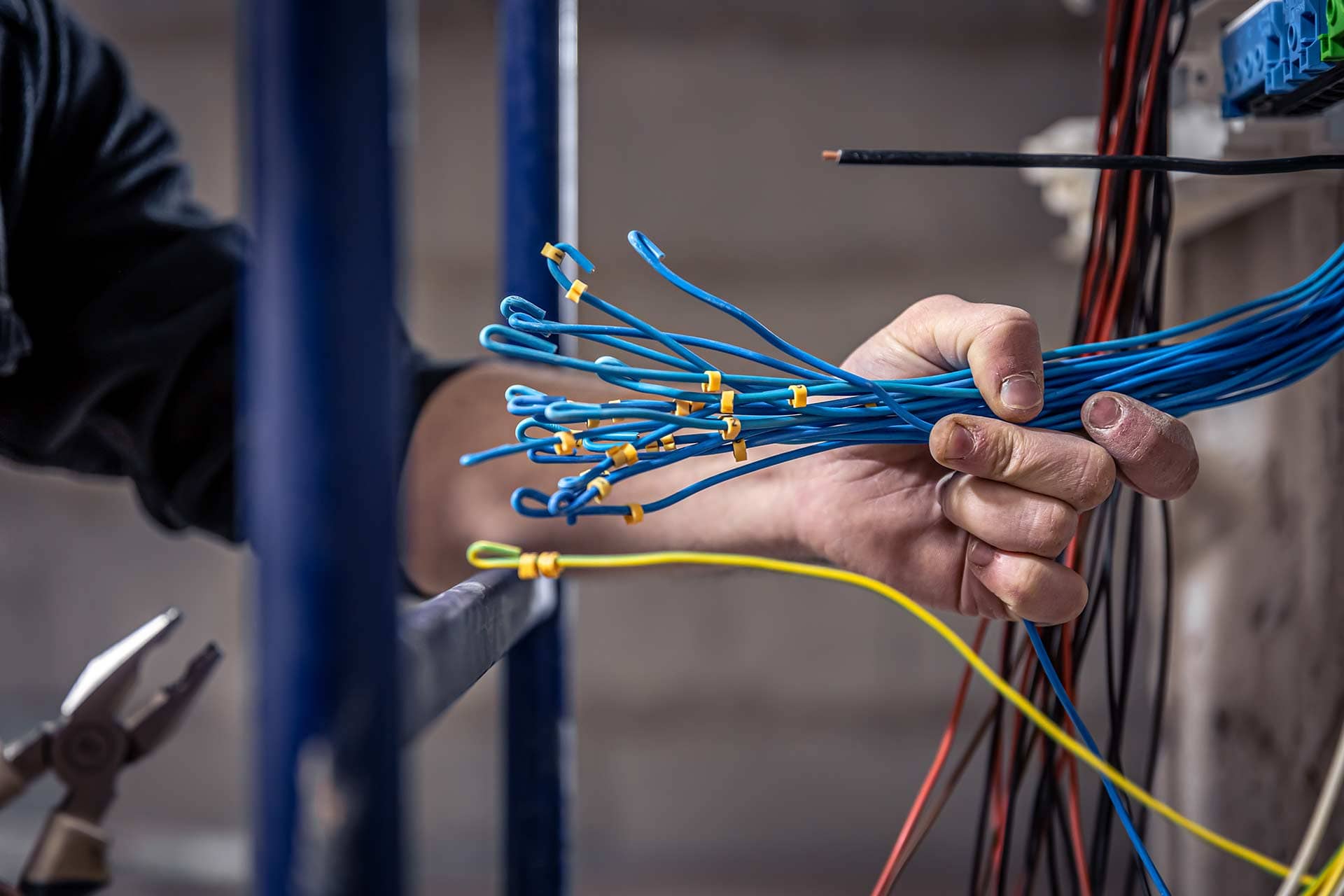
Trenching, conduit installation, duct systems, pathway preparation, access points, and restoration coordination for underground network infrastructure.
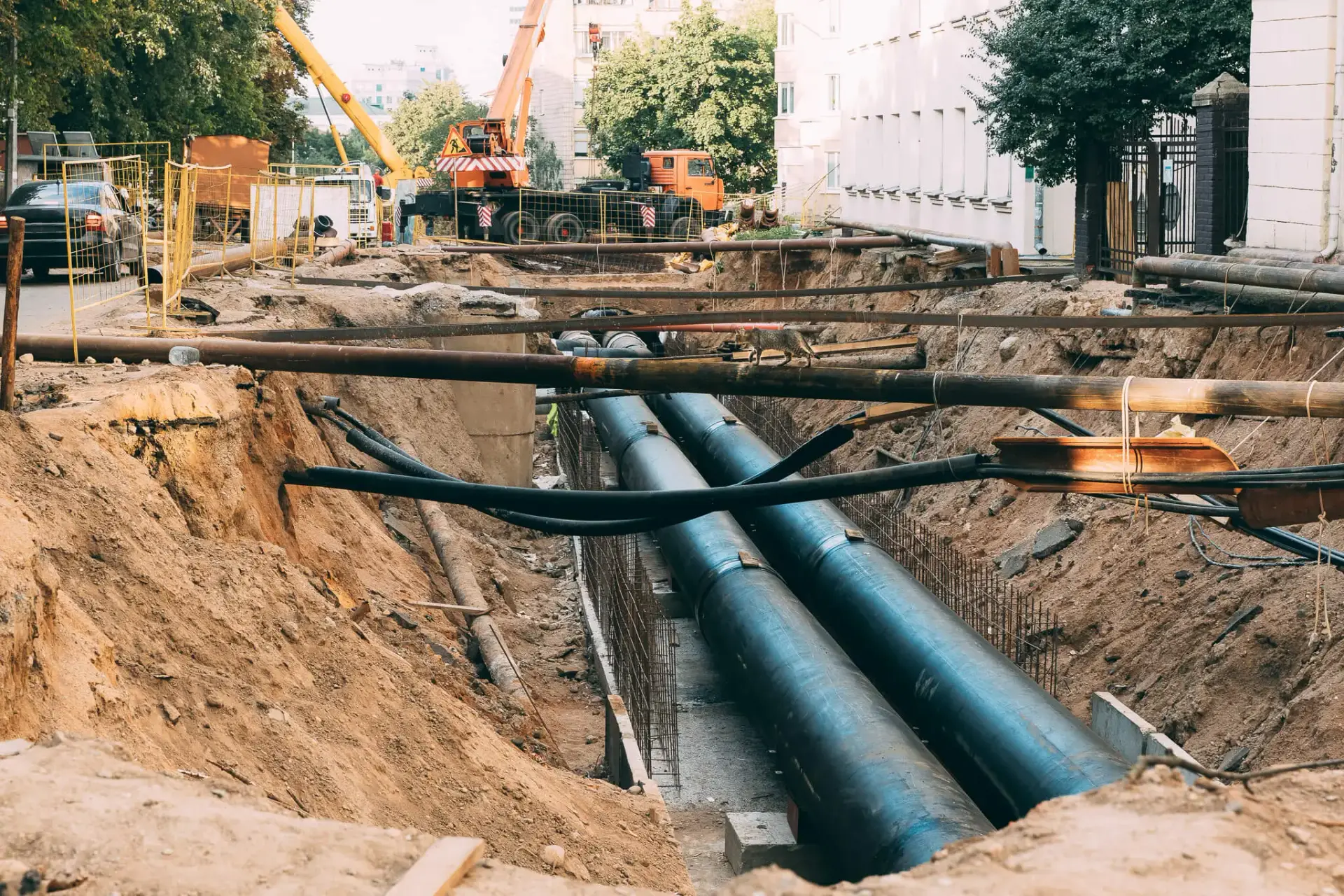
Scalable civil and fibre infrastructure for municipal, utility, smart city, campus, enterprise, and connected-building environments.
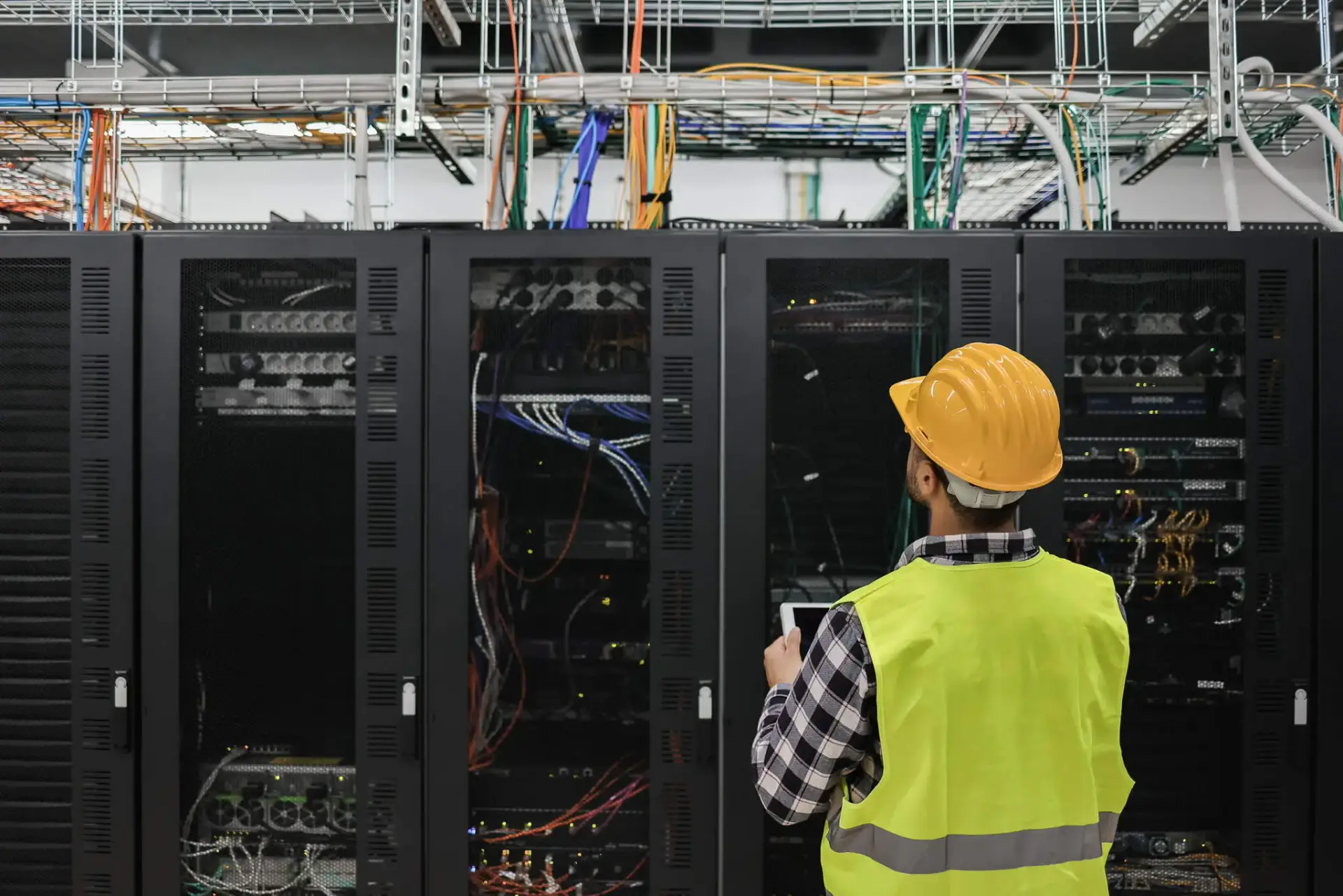
Share your fibre count, network type, project location, current stage, testing requirements, documentation needs, and target schedule with Iron Fibre Networks. Our team will review the technical scope, identify any immediate information requirements, and help establish a practical plan for splicing, testing, deficiency support, and project handoff. When network performance, clear documentation, and accountable technical execution matter, Iron Fibre Networks brings the precision and project discipline needed to move the work forward.