
Iron Fibre Networks delivers underground pathways and network infrastructure for municipal, utility, transportation, public-realm, campus, connected-building, and smart city environments across Ontario. From route planning and civil construction through fibre installation, splicing, testing, restoration, and closeout, we coordinate each phase under one accountable delivery model.
Connected communities depend on physical infrastructure that can support current services while allowing for future capacity, expansion, and changing technology requirements. Iron Fibre Networks brings civil construction, underground pathways, fibre deployment, testing, and project coordination together. We help municipalities, utilities, developers, contractors, and infrastructure partners establish reliable network foundations while reducing gaps between planning, construction, technical installation, and handoff.
Every municipal and connected-infrastructure project involves different stakeholders, authorities, technical standards, access conditions, schedules, and long-term objectives. Our scope is developed around the approved design and project responsibilities and may include the following services.
We review the proposed route, project objectives, existing utilities, access requirements, approved drawings, future capacity needs, and coordination responsibilities before fieldwork begins. Our team works with available project information to identify constraints, clarify responsibilities, and establish a practical path to construction.
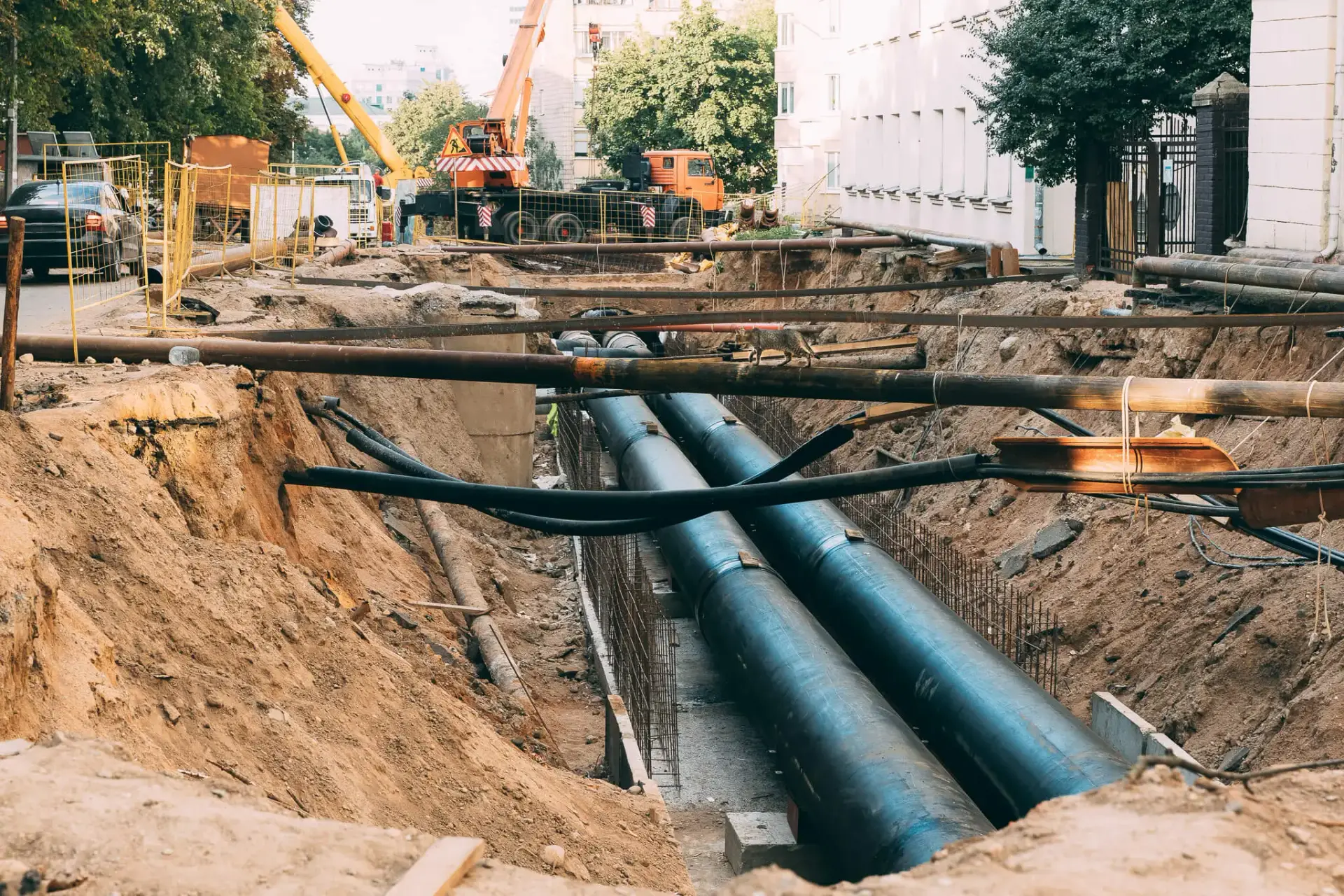
Our crews complete trenching, excavation, pathway preparation, access-point construction, and related underground work based on approved drawings, site conditions, and project specifications. Civil activity can also include traffic-control coordination, public-realm considerations, restoration planning, and coordination with other contractors or authorities.
We install conduit, duct systems, access points, and underground pathways designed to protect network assets and support reliable cable placement. Where required by the approved design, systems can include additional capacity for future fibre pulls, network extensions, or connected technologies.
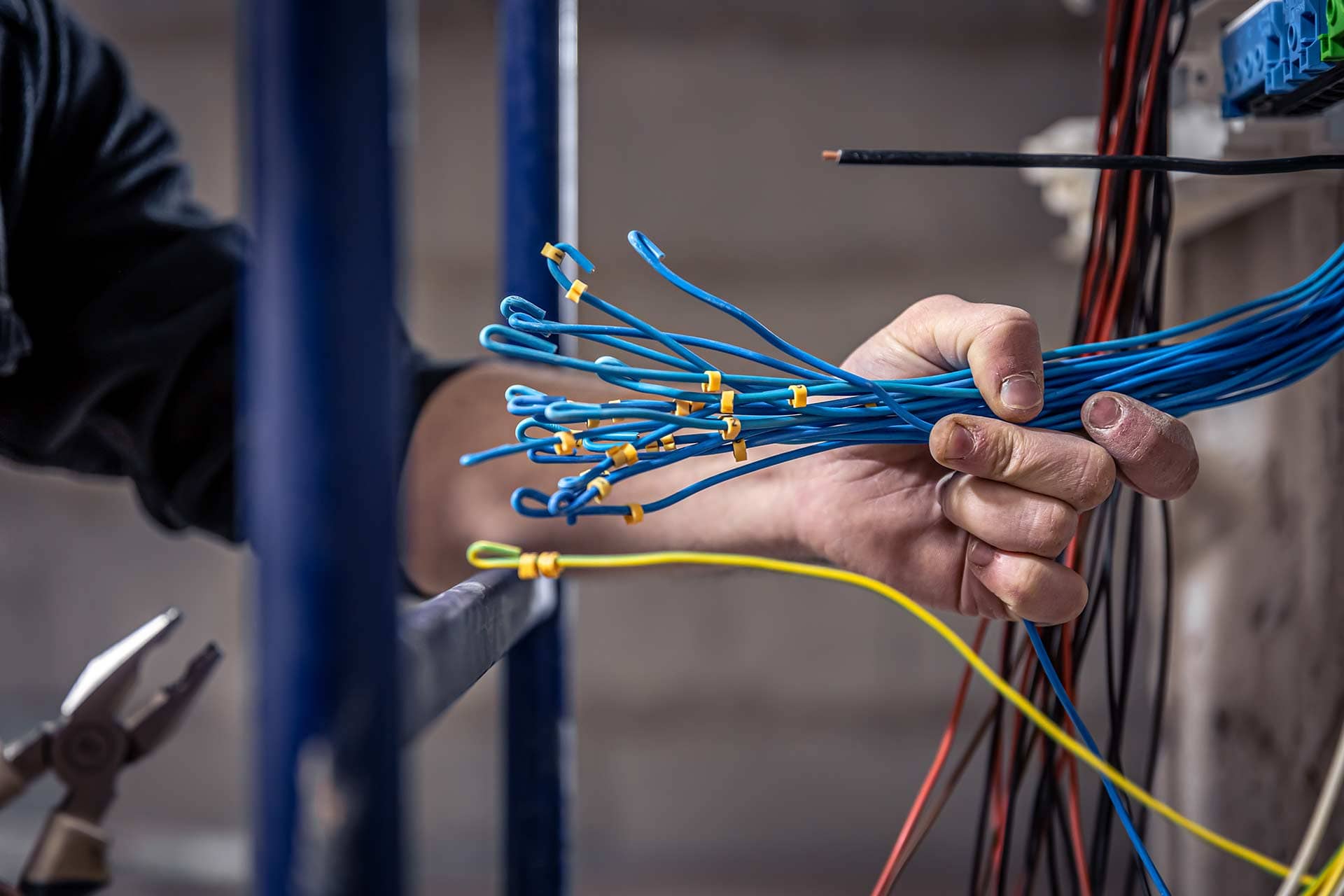
Our technicians support fibre placement, cable handling, route identification, labelling, enclosure setup, and fusion splicing. Civil and technical crews are coordinated through one delivery process so pathway readiness, cable installation, splicing, testing, and restoration remain aligned.
We complete OTDR testing, trace review, deficiency identification, and supporting documentation based on the agreed project requirements. Testing records, fibre schedules, asset labelling, restoration coordination, and closeout documentation can be included to support an organized and accountable handoff.
Built on more than a decade of construction leadership through IronShake Inc., Iron Fibre Networks understands the field realities that affect municipal and connected-infrastructure projects. Permits, utility locates, public access, traffic conditions, restoration, contractor coordination, safety procedures, documentation, and schedule control all influence the success of the final network. Our Local 183 affiliation reinforces the professional workforce standards, field discipline, and accountability behind our work. By combining construction experience with technical fibre capability, we help project teams manage the complete infrastructure environment rather than treating each phase as a disconnected scope.
Clear planning. Controlled field execution. Documented handoff.
We begin by reviewing the project objectives, proposed route, approved drawings, existing utilities, required capacity, access conditions, permitting responsibilities, stakeholders, and target schedule. This planning stage helps establish responsibilities, identify constraints, and align the civil and technical requirements before mobilization.
Our crews execute the agreed civil and fibre scope through one coordinated process. Depending on the project, this may include trenching, conduit and duct installation, access points, pathway preparation, cable placement, fibre installation, fusion splicing, restoration, and site coordination. Field activity is managed to protect safety, maintain communication, reduce disruption, and keep the work progressing against the agreed plan.
We complete the required splicing, OTDR testing, deficiency review, restoration coordination, asset labelling, and closeout documentation. Results are reviewed against the agreed project requirements so identified issues can be addressed and the completed infrastructure can be handed over with clear supporting records.
Municipal and connected-infrastructure projects vary by location, authority, route conditions, public access, approved design, network requirements, and long-term development plans. These are the questions project teams most often ask when evaluating Iron Fibre Networks.
Connected infrastructure includes the underground pathways, conduit systems, fibre backbones, access points, and supporting network assets used by municipal services, utilities, transportation systems, public Wi-Fi, traffic technology, security systems, environmental sensors, and other connected applications.
The exact infrastructure required depends on the project’s approved design and intended services.
Iron Fibre Networks supports municipal projects as well as work delivered through general contractors, civil contractors, utilities, developers, telecom providers, engineering teams, and other infrastructure partners.
The contracting structure and responsibilities are reviewed for each opportunity based on the project requirements and procurement process.
Yes, where the approved design and site conditions allow.
Conduit capacity, spare pathways, access points, fibre density, and route planning can be developed with future expansion in mind. The appropriate capacity depends on projected requirements, available space, budget, and the project’s technical design.
Where included in the project scope, Iron Fibre Networks can coordinate permits, utility locates, site access, inspections, municipal requirements, traffic-control considerations, safety documentation, and closeout materials.
Responsibilities are confirmed during planning so the client, consultants, authorities, and contractors understand what is required before mobilization.
Disruption is managed through route review, phased field execution, site-access planning, traffic and pedestrian considerations, coordination with other contractors, and restoration planning.
The appropriate approach depends on the location, right-of-way conditions, construction method, public activity, and requirements of the approving authority.
OTDR testing, trace review, deficiency identification, and supporting documentation can be included within the project scope.
Testing methods, acceptance criteria, wavelengths, reporting requirements, and closeout deliverables are confirmed during project planning.
Yes. Municipal and connected-infrastructure projects can be structured around multiple corridors, construction phases, service areas, funding periods, or development stages.
A phased approach can help coordinate budgets, public-realm work, other capital projects, and future network expansion.
Iron Fibre Networks supports projects across the GTA, Ottawa, and broader Ontario markets.
Project availability is evaluated based on location, scope, schedule, access conditions, technical requirements, and the resources needed to complete the work.
Yes. Iron Fibre Networks can support a complete civil and fibre deployment or a defined portion of the project.
Standalone scopes may include trenching, conduit installation, duct systems, pathway preparation, fibre placement, fusion splicing, OTDR testing, restoration coordination, or project closeout support.
Our civil and technical services can support a complete municipal network deployment or a specific phase of an existing project.
Coordinated outdoor fibre installation from pathway review and cable placement through splicing, testing, documentation, and handoff.
Trenching, conduit installation, duct systems, pathway preparation, access points, and restoration coordination for underground network infrastructure.
Precision fusion splicing, fault identification, OTDR testing, trace review, deficiency support, and documented project handoff.

Share your project location, current stage, proposed route, target schedule, network requirements, and coordination needs with Iron Fibre Networks. Our team will review the civil and technical scope, identify immediate planning considerations, and help establish a practical path from infrastructure preparation through testing and handoff. When public infrastructure must be reliable, scalable, and responsibly delivered, Iron Fibre Networks brings the construction capability, technical precision, and project accountability needed to move the work forward.